Sustainability
Sustainable Screen Printing Practices
How modern Jaipur print houses are balancing heritage with eco-friendly innovations.
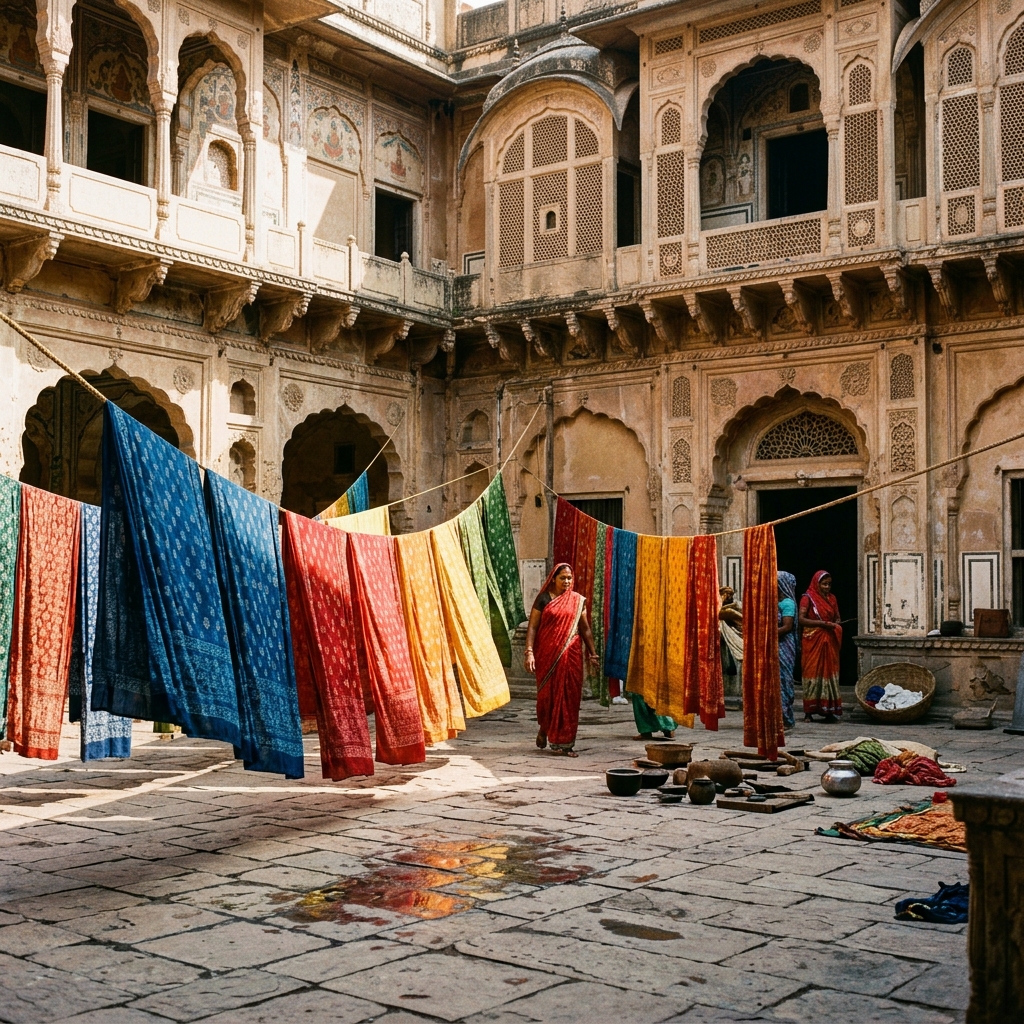
The textile industry is increasingly moving towards sustainable practices, and traditional screen printing is evolving to meet these demands. While natural dyes and organic fabrics have long been part of the craft, modern print houses are taking a holistic approach to sustainability.
Water Conservation and Closed-Loop Systems
A key focus is water conservation. Printing requires significant water, especially during screen washing and fabric curing. By implementing closed-loop water recycling systems, modern Sanganer facilities can reduce freshwater consumption by up to 60%, filtering and reusing dye-water safely. This dramatically reduces the environmental footprint of bulk fabric manufacturing.
Organic Pigments vs Synthetic Dyes
Pigment choices also matter. Transitioning from harmful synthetic dyes to GOTS-certified reactive and organic pigments ensures that the end product is safer for consumers and the environment. These eco-friendly dyes still deliver the vibrant, long-lasting colors that Jaipur prints are famous for.

Sustainability extends to the base fabric as well. More D2C brands are requesting screen prints on organic cotton, bamboo, and Kala cotton.
- Organic Cotton: Grown without toxic pesticides, better for soil and farmers.
- Bamboo Viscose: Highly renewable, requires less water, and produces an incredibly soft drape.
- Kala Cotton: An indigenous Indian strain that is entirely rain-fed and pest-resistant.
We work closely with our clients to source ethical fabrics that support local farmers while providing the perfect canvas for our prints.
The Future of Jaipur's Textile Heritage
The future of screen printing in Jaipur is bright. By blending a 400-year-old craft with forward-thinking ecological practices, we ensure that our heritage continues to thrive without compromising the planet. Brands that adopt sustainable fabrics not only help the environment but also appeal to a growing demographic of conscious consumers.