Heritage
Why Jaipur is India's Textile Capital
From Sanganer dye-pits to global D2C brands — the Jaipur story.
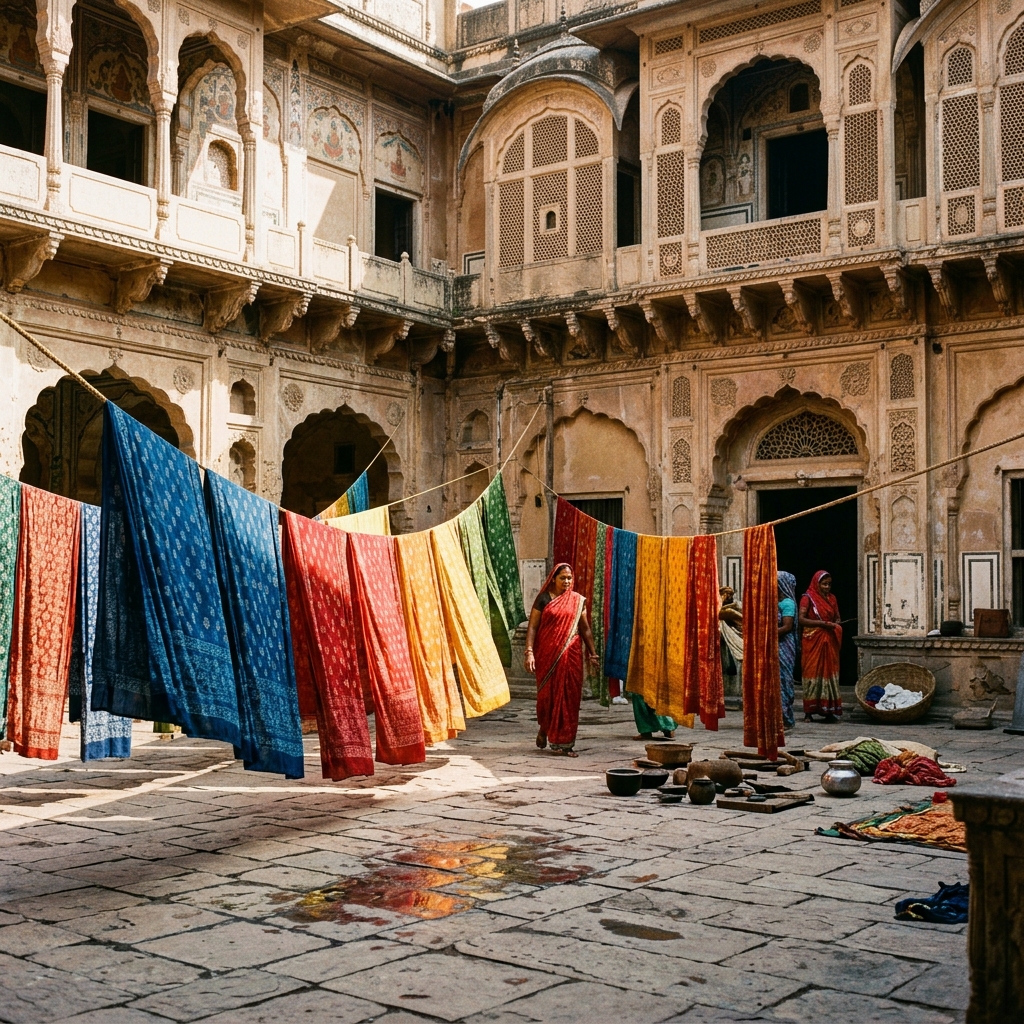
Walk through Sanganer at six in the morning and you'll smell it before you see it: indigo, alum, and the faint mineral tang of well water. Twelve kilometres south of Jaipur city, Sanganer has been a printing town since the 16th century — and today it produces a quantifiable share of India's hand-printed fabric.
The reason isn't accident. Three things converge in Jaipur that don't converge anywhere else in India: a 400-year continuous craft tradition, abundant soft groundwater perfect for dyeing, and a dense ecosystem of suppliers — block carvers, screen makers, dye chemists, fabric merchants — packed inside a few square kilometres.
The royal patronage of the Kachhwaha rulers seeded the craft. Their courts wanted hand-printed cotton for tents, canopies, and clothing, and they imported skilled chhipa printers from Sindh in the 1600s to settle in Sanganer and Bagru. Those printer families never left.
By the 19th century, Jaipur prints were exported to Europe under the name 'Indiennes' and copied by mills from Marseille to Manchester. The originals, though, kept their advantage: water that didn't dull the dye, a dry climate that let prints cure outdoors, and craftsmen who knew their formulas better than the chemists copying them.
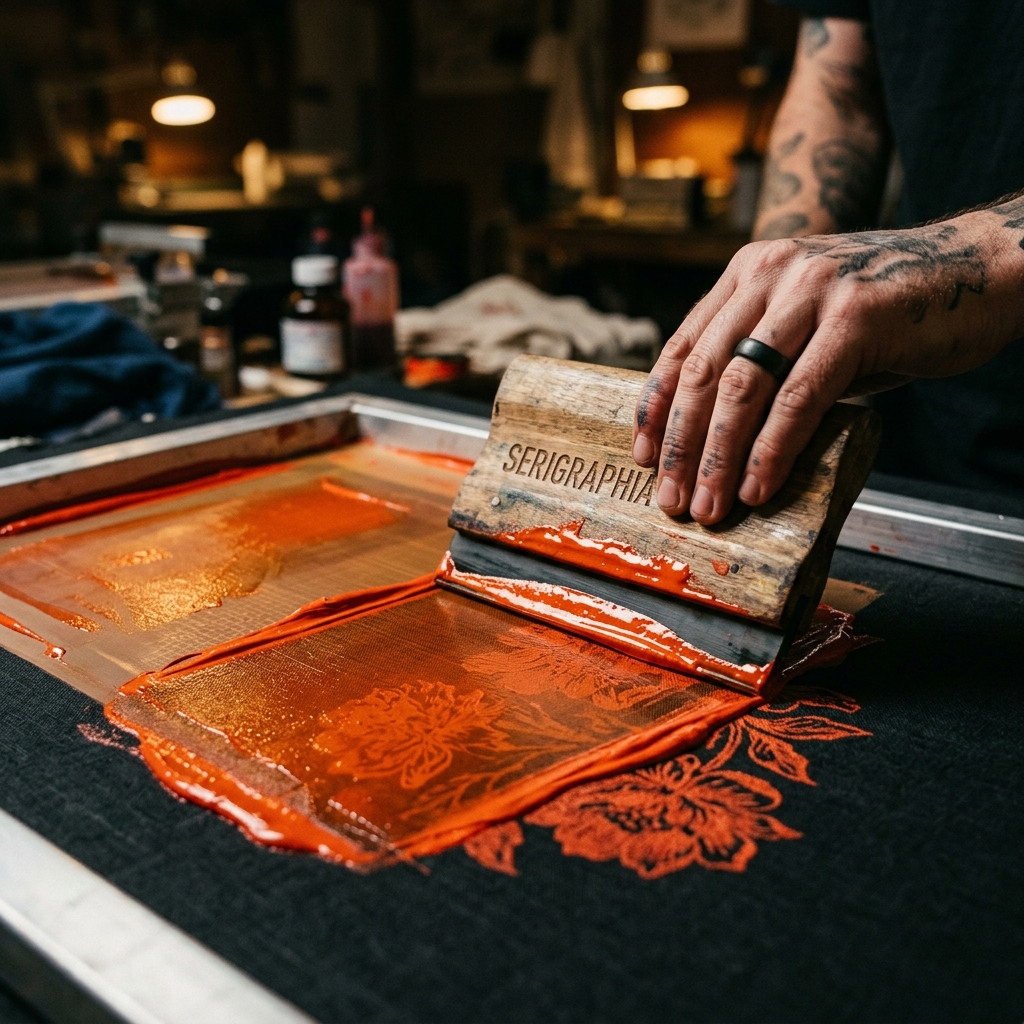
Today, Jaipur supplies fabric to virtually every major Indian D2C apparel brand, hundreds of boutique designers, and exports to buyers in the US, UK, Japan and Australia. The infrastructure has scaled — facilities like ours run 15,000 metres a day — but the craft logic is unchanged. Mix the colour by hand, pull each screen by hand, inspect each roll by hand.
When a buyer in Mumbai or Brooklyn picks up a fabric and asks 'where's this from?' — the honest answer is: a town outside Jaipur where someone's grandfather probably printed for someone else's grandfather. That continuity is the moat. It's also the reason we'll never move.